
In today’s technology-driven academic environment, understanding how to write pseudocode and algorithms is an essential skill for students studying computer science, programming, data structures, and software engineering. Whether you’re creating a simple calculator program or designing a complex application, a well-structured algorithm helps you solve problems efficiently before writing actual code.
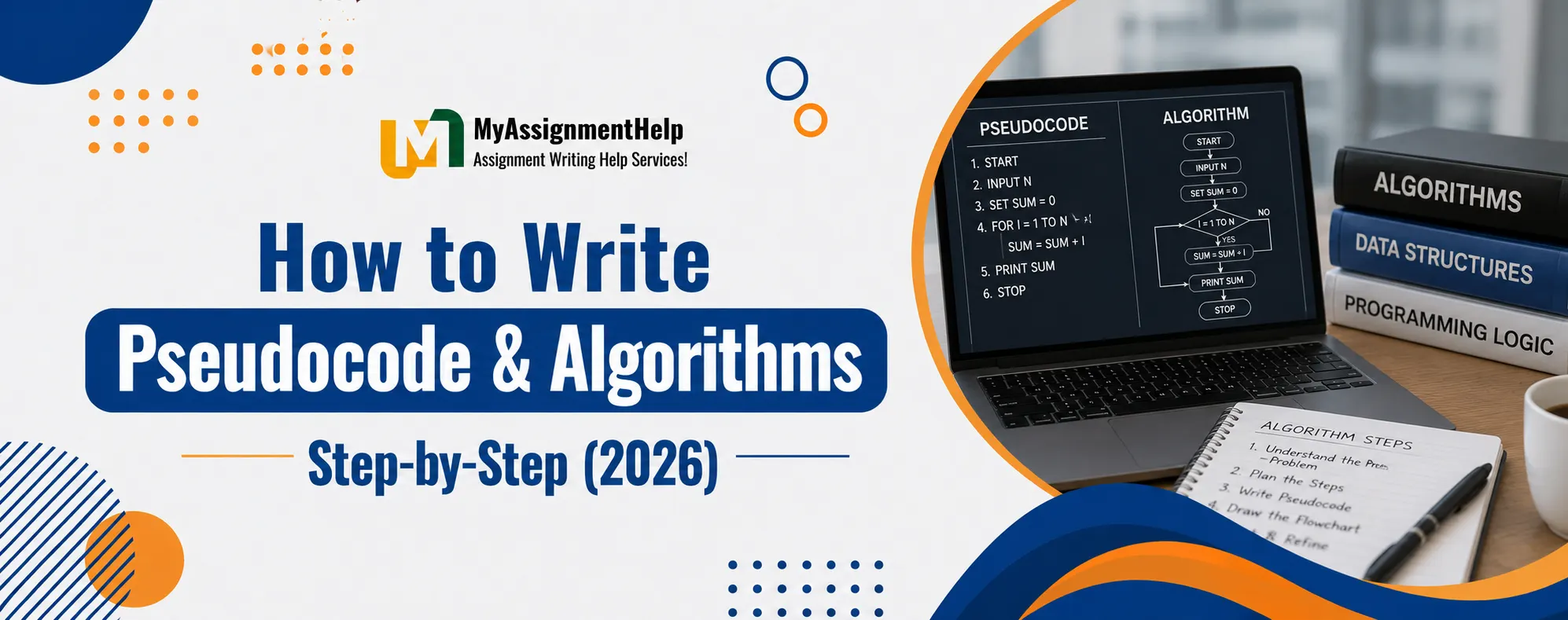
Many students struggle with algorithm design and often search for “Do Assignment for Me“ or assignment help online services when facing tight deadlines or complex programming tasks. This guide will help you understand the step-by-step process of writing effective pseudocode and algorithms in 2026.
What Is an Algorithm?
An algorithm is a finite sequence of instructions used to solve a problem or perform a specific task. It serves as the foundation of every computer program. Algorithms are written in simple logical steps that explain how a task should be completed.
Example:
Problem: Find the sum of two numbers.
Algorithm:
- Start
- Input first number
- Input second number
- Add both numbers
- Display the result
- Stop
What Is Pseudocode?
Pseudocode is an informal way of describing a program’s logic using plain language. It is not tied to any programming language and helps developers and students visualize the solution before coding.
Example Pseudocode:
BEGIN
   INPUT num1
   INPUT num2
   sum = num1 + num2
   DISPLAY sum
END
Step-by-Step Guide to Writing Algorithms
Step 1: Understand the Problem
Carefully read the problem statement and identify:
- Inputs
- Outputs
- Conditions
- Constraints
The better you understand the problem, the easier it becomes to design an effective solution.
Step 2: Define Inputs and Outputs
Clearly specify what information the program will receive and what results it should produce.
Example:
- Input: Student marks
- Output: Grade
Step 3: Break the Problem into Small Tasks
Divide the problem into manageable steps. This approach makes complex problems easier to solve and reduces logical errors.
Step 4: Write the Algorithm
List each step in sequential order. Ensure every instruction is clear, concise, and logical.
Example:
- Start
- Enter marks
- Check grade criteria
- Display grade
- End
Step 5: Test the Logic
Run sample inputs mentally and verify whether the algorithm produces the correct output.
Step-by-Step Guide to Writing Pseudocode
Step 1: Use Simple Language
Write instructions in plain English rather than programming syntax.
Step 2: Use Standard Keywords
Common pseudocode keywords include:
- BEGIN
- END
- IF
- ELSE
- WHILE
- FOR
- DISPLAY
- INPUT
Step 3: Maintain Proper Structure
Indent conditions and loops to improve readability.
Example:
BEGIN
   INPUT age

   IF age >= 18 THEN
      DISPLAY "Eligible to Vote"
   ELSE
      DISPLAY "Not Eligible"
   ENDIF

END
Step 4: Review and Refine
Check for missing steps, incorrect conditions, or unclear instructions before converting pseudocode into actual code.
Common Mistakes to Avoid
- Skipping problem analysis
- Writing vague instructions
- Ignoring edge cases
- Using programming language syntax instead of plain language
- Failing to test the logic
Why Students Need Expert Assignment Assistance
Writing algorithms and pseudocode can be challenging, especially for beginners. When students face difficulties, professional academic support can help them understand concepts, improve grades, and meet submission deadlines.
Platforms like MyAssignmentHelp.co.in provide reliable assignment help online for programming, computer science, and software development subjects. Whether you need guidance with algorithm design, coding assignments, or technical reports, their experienced experts can assist you effectively. Students searching for “Do Assignment for Me“ solutions often rely on professional services to receive accurate and plagiarism-free academic support.
Conclusion
Learning how to write pseudocode and algorithms is a crucial skill for every programming student in 2026. By understanding the problem, defining inputs and outputs, creating logical steps, and testing your solution, you can develop efficient algorithms with confidence. Regular practice will improve your problem-solving abilities and prepare you for more advanced programming challenges.
FAQs
1. What is the difference between an algorithm and pseudocode?
An algorithm is a step-by-step solution to a problem, while pseudocode is a human-readable representation of that solution written in simple language.
2. Why is pseudocode important before coding?
Pseudocode helps developers plan program logic, identify errors early, and simplify the coding process.
3. Can pseudocode be converted into any programming language?
Yes. Since pseudocode focuses on logic rather than syntax, it can be translated into languages such as Python, Java, C++, or JavaScript.
4. What are the key characteristics of a good algorithm?
A good algorithm should be clear, efficient, finite, accurate, and easy to understand.
5. Where can I get assignment help for algorithm-related projects?
Students can seek assistance from professional academic support platforms such as MyAssignmentHelp.co.in for expert guidance on programming, algorithms, and computer science assignments.


