
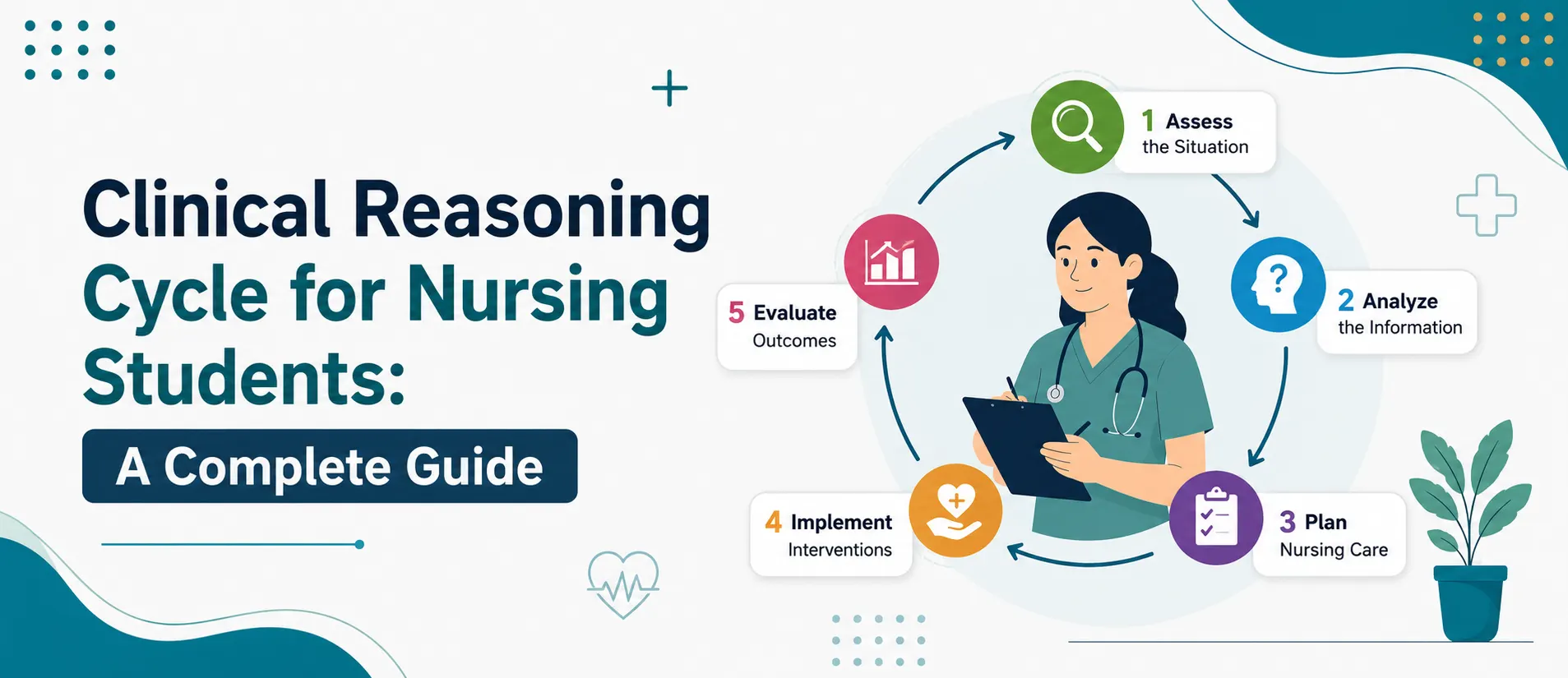
The Clinical Reasoning Cycle is a cornerstone of modern nursing practice and education. It provides nursing students with a structured framework for assessing patient conditions, making informed decisions, and delivering high-quality care. Whether you are working on case studies, clinical placements, or academic assignments, understanding this cycle is essential for developing critical thinking and professional competence.
Many nursing students often look for nursing case study examples and writing guidance to better understand how theoretical concepts are applied in real-life healthcare scenarios. Learning the Clinical Reasoning Cycle can significantly improve both academic performance and clinical practice.
What Is the Clinical Reasoning Cycle?
The Clinical Reasoning Cycle is a systematic process that helps nurses gather patient information, analyze clinical data, identify healthcare problems, implement interventions, and evaluate outcomes. It encourages evidence-based decision-making and ensures patient-centered care.
The cycle consists of eight interconnected stages that guide nursing professionals through every aspect of patient assessment and treatment.
1. Consider the Patient Situation
The first stage focuses on understanding the patient’s overall health condition. Nurses review medical histories, presenting symptoms, and current concerns to gain a complete picture of the patient’s needs.
When completing nursing assessments, students often refer to nursing case study examples and writing guidance to learn how to present patient information effectively and professionally.
2. Collect Cues and Information
This stage involves gathering data from various sources, including patient interviews, physical examinations, diagnostic reports, laboratory findings, and healthcare records.
Accurate data collection forms the foundation of successful clinical reasoning and is frequently evaluated in nursing assignments and practical assessments.
3. Process the Information
After collecting relevant information, nurses analyze the data to identify patterns, abnormalities, and potential health risks. Critical thinking plays a significant role in this phase.
Many students seek nursing assignment help when they struggle to interpret clinical findings and connect them with nursing theories and evidence-based practices.
4. Identify Problems and Issues
At this stage, nurses determine the patient’s primary health concerns and prioritize them according to urgency and severity. Proper prioritization ensures that critical health issues receive immediate attention.
This step is commonly assessed in clinical reasoning assignments and nursing case studies.
5. Establish Goals
Once the problems have been identified, nurses create specific, measurable, achievable, relevant, and time-bound (SMART) goals for patient care. These goals help guide treatment plans and nursing interventions.
6. Take Action
The action stage involves implementing nursing interventions based on clinical evidence and best practices. Nurses collaborate with healthcare teams to provide effective care and improve patient outcomes.
Students completing care plans and clinical assessments often require nursing assignment help to ensure their interventions align with current nursing standards.
7. Evaluate Outcomes
Evaluation involves assessing whether the implemented interventions have achieved the desired patient outcomes. If goals have not been met, the care plan may need modification.
Strong evaluation skills demonstrate a nurse’s ability to monitor patient progress and make necessary adjustments to treatment strategies.
8. Reflect on the Process
Reflection is a critical component of nursing education. By reviewing clinical experiences, students can identify strengths, address weaknesses, and improve future decision-making.
Reflection assignments frequently require evidence-based analysis, prompting many students to seek nursing research paper writing help online to enhance the quality and academic credibility of their work.
Why Nursing Students Should Master the Clinical Reasoning Cycle
Mastering the Clinical Reasoning Cycle helps nursing students develop confidence, improve patient safety, and strengthen their clinical judgment. It also prepares them for professional practice by promoting analytical thinking and evidence-based decision-making.
Academic tasks such as case studies, care plans, reflective journals, and research projects often require students to demonstrate their understanding of the Clinical Reasoning Cycle. Access to nursing case study examples and writing guidance, professional nursing assignment help, and expert nursing research paper writing help online can support students in achieving higher academic results.
Get Expert Nursing Academic Support with Myassignmenthelp.co.in
Myassignmenthelp.co.in offers comprehensive academic assistance for nursing students facing challenges with assignments, case studies, research papers, care plans, and clinical reasoning tasks. With expert guidance, students can gain a deeper understanding of nursing concepts while improving their writing, research, and analytical skills.
Conclusion
The Clinical Reasoning Cycle is an essential framework that supports effective nursing practice and patient care. By understanding each stage of the cycle, nursing students can enhance their critical thinking, clinical judgment, and professional development. Utilizing reliable resources such as nursing case study examples and writing guidance, nursing assignment help, and nursing research paper writing help online can further strengthen academic success and prepare students for rewarding nursing careers.
FAQs
What is the Clinical Reasoning Cycle in nursing?
The Clinical Reasoning Cycle is a structured approach that helps nurses assess patient conditions, make informed decisions, implement care plans, and evaluate outcomes.
Why is the Clinical Reasoning Cycle important for nursing students?
It improves critical thinking, clinical judgment, patient safety, and evidence-based decision-making skills.
How can nursing case studies improve clinical reasoning?
Reviewing nursing case study examples helps students understand how theoretical concepts are applied in real healthcare situations.
Where can I get nursing assignment help?
Myassignmenthelp.co.in provides expert nursing assignment help for case studies, care plans, reflective journals, and academic projects.
Can I get nursing research paper writing help online?
Yes, Myassignmenthelp.co.in offers professional nursing research paper writing help online to assist students with evidence-based research and academic writing.
#ClinicalReasoningCycle, #NursingStudents, #NursingEducation, #NursingAssignments, #NursingAssignmentHelp, #NursingCaseStudy, #CaseStudyWriting, #NursingResearch, #NursingResearchPaper, #NursingResearchHelp, #HealthcareEducation, #StudentNurse, #NursingSchool, #NursingPractice, #EvidenceBasedPractice, #ClinicalSkills, #PatientCare, #CriticalThinking, #NursingCareer, #RNStudent, #NursingSuccess, #AcademicWriting, #AssignmentWriting, #ResearchPaperWriting, #OnlineLearning, #NursingGuidance, #MedicalEducation, #MyAssignmentHelp, #MyAssignmentHelpIndia, #NursingCaseStudyExamples


